
In today’s rapidly evolving world, the concept of sustainability has become more important than ever before. With climate change posing a significant threat to our planet, individuals and industries are increasingly looking for ways to minimize their environmental impact. In India, the interior design industry is at the forefront of this movement, with a growing focus on climate-resilient design practices.
The Shift Towards Climate-Resilient Interior Design
As awareness about climate change continues to grow, interior designers in India are rethinking their approach to design. Instead of focusing solely on aesthetics, more and more designers are incorporating sustainability and resilience into their projects. This shift towards climate-resilient interior design is driven by a desire to create spaces that not only look beautiful but also minimize their environmental footprint.
Sustainable Materials and Technologies
One of the key components of climate-resilient interior design is the use of sustainable materials and technologies. Designers are increasingly turning to eco-friendly materials such as bamboo, reclaimed wood, and recycled glass to reduce the environmental impact of their projects. In addition, the integration of energy-efficient technologies such as LED lighting, solar panels, and smart home systems is becoming more common in Indian interior design projects.
Biophilic Design and Green Spaces
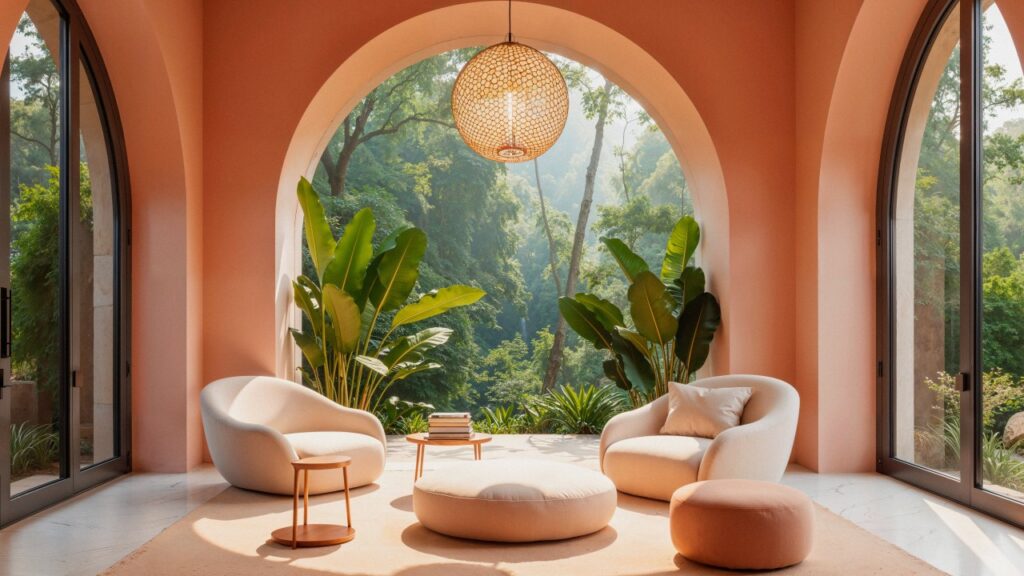
Biophilic design, which seeks to connect people with nature through the use of natural elements, is another important aspect of climate-resilient interior design. Indian interior designers are incorporating green spaces, living walls, and indoor gardens into their projects to improve air quality, reduce stress, and promote overall well-being. By blurring the lines between indoor and outdoor spaces, designers are creating environments that are not only visually appealing but also in harmony with nature.
Local and Traditional Design Practices
In addition to using sustainable materials and technologies, Indian interior designers are also looking to local and traditional design practices for inspiration. By incorporating elements of traditional Indian architecture and design into their projects, designers are creating spaces that are uniquely Indian while also being environmentally friendly. From handwoven textiles to traditional woodworking techniques, these design practices are not only sustainable but also help preserve India’s rich cultural heritage.
The Business Case for Climate-Resilient Design
Beyond the environmental benefits, there is a strong business case for climate-resilient interior design in India. As consumers become more environmentally conscious, there is a growing demand for sustainable and resilient design solutions. By offering climate-resilient interior design services, design firms can differentiate themselves in the market, attract environmentally conscious clients, and ultimately drive business growth.
Conclusion
In conclusion, the rise of climate-resilient interior design in India is a positive and necessary development in the industry. By incorporating sustainable materials and technologies, embracing biophilic design principles, and drawing inspiration from local traditions, Indian designers are creating spaces that are not only beautiful but also resilient to the challenges of climate change. As the demand for environmentally friendly design solutions continues to grow, climate-resilient interior design is poised to become the new standard in the Indian design industry.