
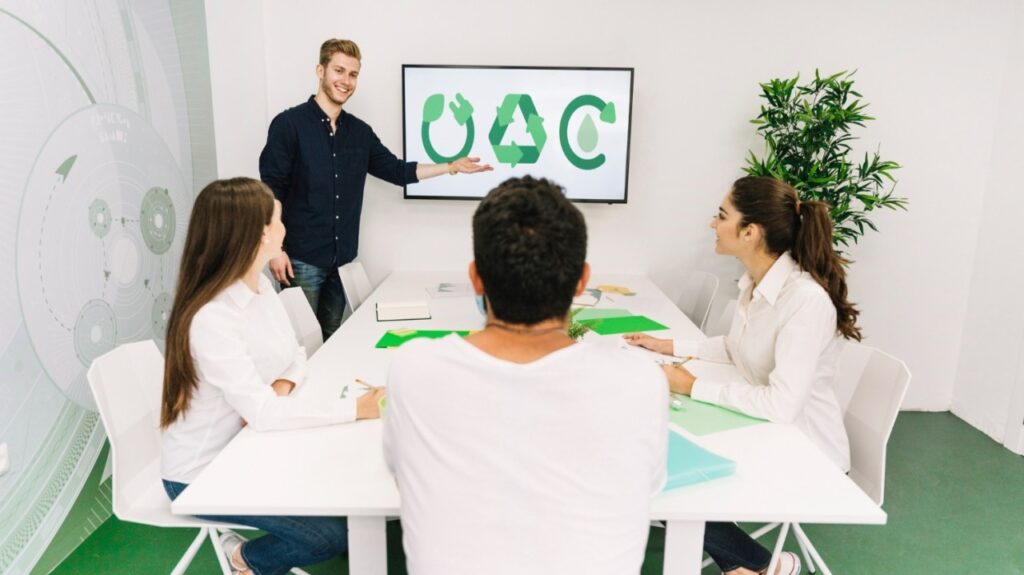
In today’s fast-paced world where sustainability is becoming increasingly important, high-end interior fit-outs are no exception. Beyond just recycling materials, implementing circular economy principles in interior design can take your project to the next level. By focusing on concepts like material passports, design for disassembly, and minimizing consumption, you can create spaces that are not only luxurious but also environmentally friendly and efficient.
The Importance of Material Passports
A material passport is a document that lists all the materials used in a building or interior fit-out, along with information on their composition and origin. By having a material passport for your project, you can easily track and manage the materials throughout their lifecycle. This not only helps with maintenance and renovations but also makes it easier to recycle or upcycle materials once they reach the end of their use.
Design for Disassembly
Designing for disassembly is a key principle of the circular economy that focuses on making it easy to take apart and reuse or recycle components at the end of their life. By considering how each piece of furniture or fixture can be disassembled and reused, you can reduce waste and promote a more sustainable approach to interior design. This not only benefits the environment but also allows for greater flexibility and adaptability in the space.
Minimizing Consumption
Another important aspect of implementing circular economy principles in high-end interior fit-outs is minimizing consumption. This can include using materials that are durable and long-lasting, as well as choosing products that have a low environmental impact. By selecting high-quality materials and focusing on craftsmanship, you can create a luxurious space that stands the test of time while minimizing the resources used.
How can material passports benefit a high-end interior fit-out project?
Material passports can benefit a high-end interior fit-out project by providing transparency and accountability in the sourcing and use of materials. They allow designers and clients to make informed decisions about the environmental impact of their choices and can help with future maintenance and renovations. By tracking materials from cradle to cradle, material passports promote a more sustainable approach to interior design that goes beyond just aesthetics.
As an expert in high-end interior fit-outs, Gothra Studio understands the importance of implementing circular economy principles in every project. By focusing on material passports, design for disassembly, and minimizing consumption, they create spaces that are not only beautiful and functional but also sustainable and environmentally friendly. With their expertise and commitment to sustainability, Gothra Studio is leading the way in creating luxurious interiors that have a positive impact on the planet.
Tips from Gothra Studio:
- Consider using reclaimed or upcycled materials to add character and uniqueness to your space.
- Opt for timeless designs that will stand the test of time and reduce the need for frequent renovations.
- Collaborate with suppliers and manufacturers who share your commitment to sustainability and ethical practices.
Implementing circular economy principles in high-end interior fit-outs is not just a trend but a necessary step towards a more sustainable future. By focusing on material passports, design for disassembly, and minimizing consumption, you can create spaces that are not only luxurious but also eco-friendly and efficient. So, why settle for ordinary when you can go beyond recycling and make a real difference in the world of interior design?