
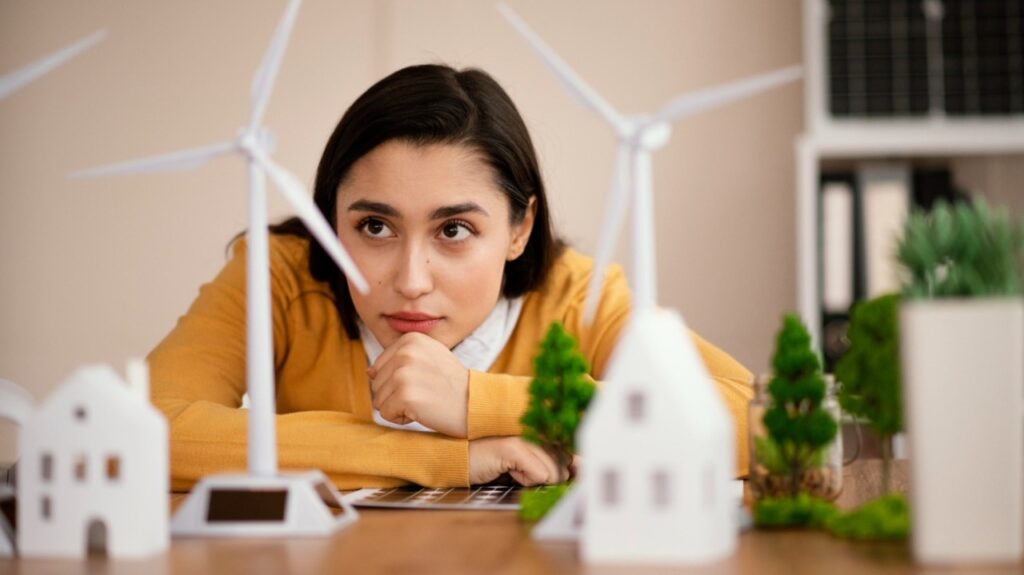
Are you looking for a new approach to sustainability in design? Regenerative design offers a revolutionary shift from simply doing ‘less harm’ to actively improving indoor air quality and ecosystems. At Gothra Studio, we are passionate about creating spaces that have a positive net impact on the environment. In this article, we will delve into the concept of regenerative design and how it can transform the way we think about sustainability.
What is Regenerative Design?
Regenerative design goes beyond the traditional focus on reducing negative impacts on the environment. Instead, it aims to create spaces that actively contribute to improving the health of the planet. This is achieved by integrating natural systems into the built environment, such as using natural ventilation systems, green roofs, and passive solar design. By mimicking the way that ecosystems function, regenerative design seeks to enhance biodiversity, improve air and water quality, and create thriving, resilient communities.
The Highest Level of Sustainability
When it comes to sustainability, regenerative design represents the highest level of commitment to environmental stewardship. Instead of simply aiming to do ‘less harm,’ regenerative design strives to have a positive impact on the world around us. By actively working to improve indoor air quality and ecosystems, regenerative design offers a powerful solution to the pressing environmental challenges we face today.
Designing for a Positive Net Impact
At Gothra Studio, we believe that design should go beyond aesthetics and functionality. It should also be a force for good in the world. That’s why we are committed to creating spaces that provide a positive net impact on the environment. From using sustainable materials to implementing energy-efficient systems, every decision we make is guided by the principles of regenerative design.
Tips from Gothra Studio
- Embrace Biomimicry: Look to nature for inspiration when designing sustainable spaces. By mimicking natural systems and processes, you can create environments that are not only beautiful but also beneficial to the planet.
- Think Long-Term: When designing for regenerative impact, consider the long-term effects of your decisions. Choose materials and systems that will stand the test of time and continue to contribute positively to the environment.
- Educate and Inspire: As designers, we have a unique opportunity to educate and inspire others to embrace regenerative design principles. Share your knowledge and passion for sustainability with clients, colleagues, and the community to drive positive change. In conclusion, regenerative design offers a transformative approach to sustainability that focuses on actively improving indoor air quality and ecosystems. By shifting our mindset from ‘less harm’ to positive net impact, we can create spaces that not only benefit the environment but also enhance the well-being of those who inhabit them. At Gothra Studio, we are proud to be at the forefront of the regenerative design movement, and we are excited to continue pushing the boundaries of what is possible in sustainable design.