
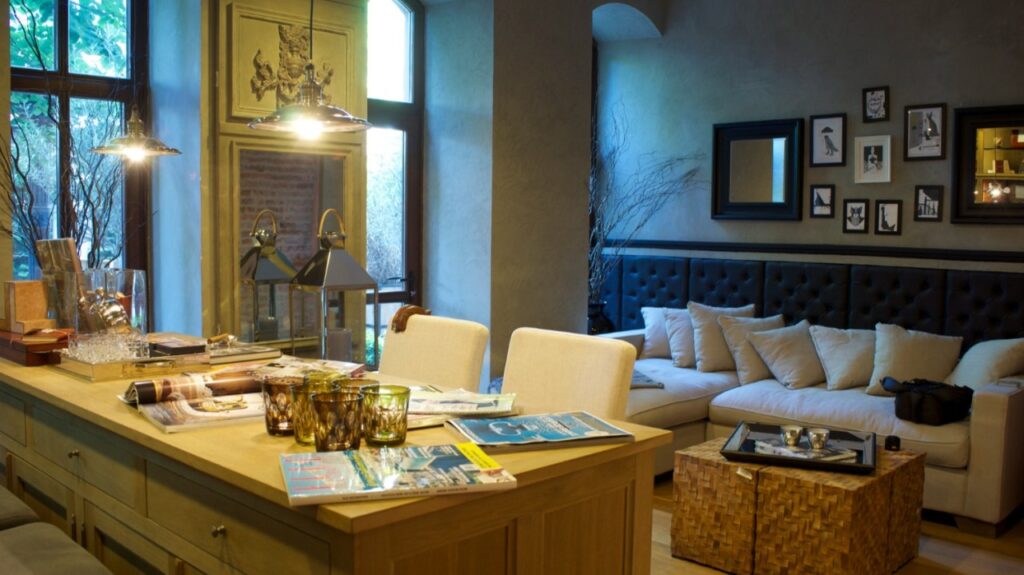
In recent years, there has been a growing trend in India towards adopting Western interior design styles in homes. From minimalist Scandinavian aesthetics to industrial chic, many homeowners are looking to recreate these trendy looks in their own spaces. However, despite the popularity of Western interiors, they often fail to take into account the unique demands and nuances of Indian lifestyles.
Understanding Indian Lifestyles
One of the key reasons why Western interiors fail in Indian homes is the fundamental difference in lifestyle between the East and the West. Indian families tend to be larger and more traditional, with a focus on multi-generational living and frequent social gatherings. This means that homes need to be designed to accommodate these specific needs, which Western styles may not always cater to.
Moreover, Indian climates can vary significantly from those in the West, with hot and humid summers and cool winters. This makes it essential to ensure that homes are designed to be comfortable throughout the year, with features such as adequate ventilation, natural light, and heat-resistant materials. Western interiors, with their heavy drapes and dark color palettes, may not always be suitable for Indian weather conditions.
Cultural Sensitivity
Another important factor to consider when designing for Indian lifestyles is cultural sensitivity. Many Western interior design trends may not align with Indian sensibilities, beliefs, and customs. For example, the use of leather and cowhide in furniture, which is common in Western interiors, may be offensive to Hindus who consider cows sacred. Similarly, the concept of open-plan living, which is popular in the West, may not always be practical or desirable in Indian homes where privacy is valued.
Incorporating Indian Elements
To create a successful interior design that caters to Indian lifestyles, it is essential to incorporate elements that are specific to Indian culture and traditions. This can include using vibrant colors, intricate patterns, and traditional materials such as wood and brass. By combining modern Western aesthetics with Indian elements, it is possible to create a unique and beautiful living space that is both stylish and functional.
Practical Considerations
In addition to cultural and lifestyle factors, practical considerations also play a significant role in designing for Indian homes. For example, storage is a crucial aspect of Indian living, as families often have large collections of clothing, utensils, and other items. Therefore, it is important to include ample storage solutions in the design, such as built-in wardrobes, cabinets, and shelving units.
Moreover, flexibility is key when designing for Indian lifestyles, as spaces need to be able to adapt to different uses and functions. This can include incorporating movable furniture, partition walls, and multipurpose rooms that can be used for various activities. By creating versatile spaces that can evolve with changing needs, it is possible to design homes that are truly tailored to Indian lifestyles.
Conclusion
While Western interior design styles can be visually appealing, they often fail to consider the specific requirements and preferences of Indian lifestyles. By understanding the cultural, lifestyle, and practical considerations unique to India, it is possible to create interiors that are not only beautiful but also functional and comfortable. By incorporating Indian elements, respecting cultural sensitivities, and addressing practical needs, designers can create spaces that truly feel like home to Indian families.