
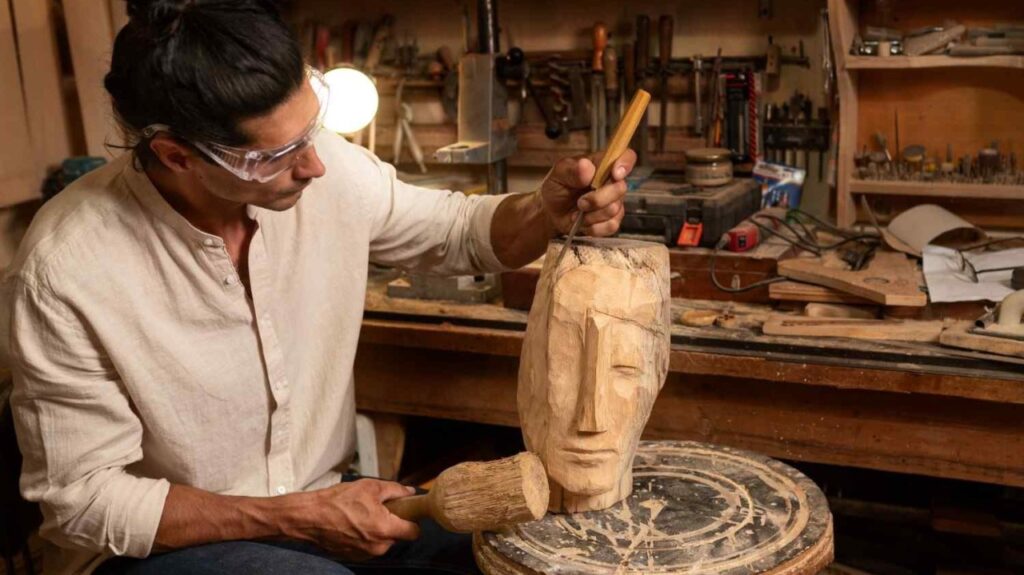
In recent years, there has been a noticeable shift towards valuing local materials and artisans in Indian homes. This trend is set to continue and grow even more in the coming years. As we look towards 2026, it is clear that a resurgence in traditional crafts and artisanal products will be seen in households across the country. But why is this happening, and what are the driving forces behind this movement? Let’s delve deeper into the reasons why Indian homes in 2026 will increasingly value local materials and artisans.
The Rise of Sustainability
One of the main reasons for the renewed interest in local materials and artisans is the growing awareness of sustainability and the environmental impact of mass-produced goods. Consumers are becoming more conscious of the need to support ethical and eco-friendly practices. By choosing locally sourced materials and supporting skilled artisans, people can reduce their carbon footprint and contribute to a more sustainable future. This shift towards sustainability will only continue to gain momentum in the years to come.
Embracing Heritage and Tradition
In a rapidly changing world, many Indians are reconnecting with their cultural roots and traditions. By incorporating local crafts and artisanal products into their homes, people are not only celebrating their heritage but also preserving age-old techniques and craftsmanship. This trend is especially prevalent among younger generations who are seeking authenticity and a sense of identity in their living spaces. In 2026, we can expect to see a resurgence of traditional crafts being proudly displayed in homes across India.
Supporting Local Communities
By choosing to purchase goods made by local artisans, consumers are directly supporting small businesses and rural communities. This not only helps to boost the local economy but also empowers artisans to continue their craft and pass down their skills to future generations. In a time when traditional livelihoods are at risk due to globalization and mass production, the value of supporting local communities cannot be overstated. Indian homes in 2026 will play a crucial role in sustaining these age-old crafts and traditions.
Quality and Uniqueness
One of the key reasons why Indian homes are increasingly valuing local materials and artisans is the unmatched quality and uniqueness of handmade products. Unlike mass-produced goods, artisanal products are crafted with care and attention to detail, resulting in items that are truly one-of-a-kind. From handwoven textiles to intricately carved woodwork, each piece tells a story and reflects the skill and dedication of the artisan behind it. In a world filled with cookie-cutter designs, the appeal of handmade products will only continue to grow in the years to come.
The Personal Touch
In a world dominated by technology and automation, there is a growing desire for products that have a personal touch. Handmade goods not only bring warmth and character to a home but also create a sense of connection to the maker. By choosing to decorate their living spaces with handmade items, people are adding a personal touch that cannot be replicated by mass-produced goods. In 2026, Indian homes will continue to prioritize this human element in their decor choices, further emphasizing the value of local materials and artisans.
In conclusion, the resurgence of local materials and artisans in Indian homes in 2026 is driven by a combination of factors, including sustainability, heritage, community support, quality, uniqueness, and the personal touch. As consumers become more conscious of their purchasing decisions and seek out products that reflect their values and identity, the demand for locally sourced goods will only continue to rise. By embracing traditional crafts and supporting local artisans, Indian homes are not only enriching their living spaces but also contributing to the preservation of cultural heritage and craftsmanship. Craft is indeed coming back, and it is here to stay.