
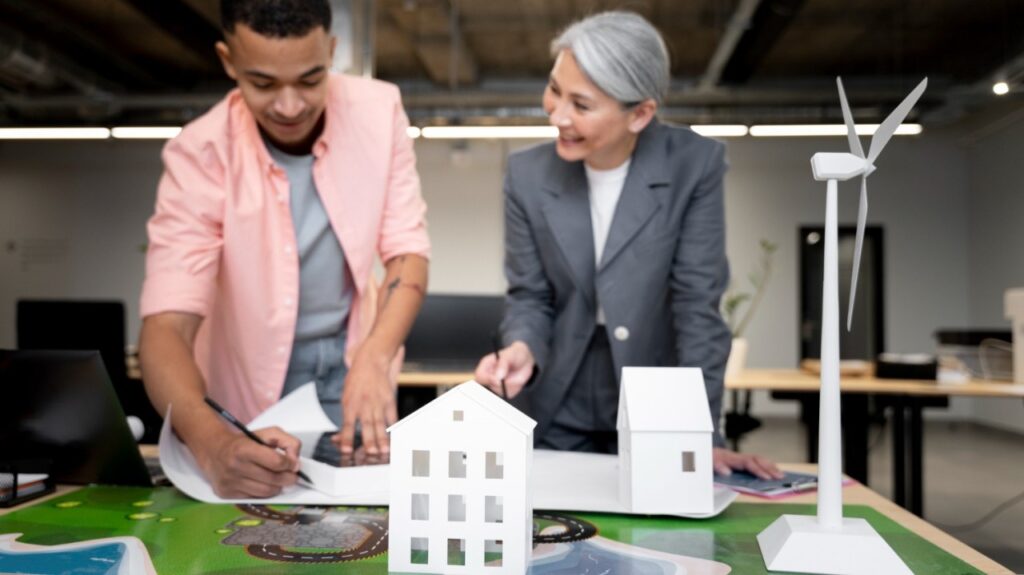
In the ever-evolving world of architecture and design, the focus is shifting from mere aesthetics to incorporating climate-responsive elements into building designs. Gone are the days when style took precedence over function – the future of housing in India is all about creating sustainable, environmentally friendly spaces that prioritize the well-being of occupants while minimizing the impact on the planet.
Airflow and Orientation: One of the key aspects of designing homes around climate is optimizing airflow and orientation. By strategically placing windows, doors, and ventilation systems, architects can ensure natural cooling and ventilation throughout the space, reducing the need for artificial cooling systems. Proper orientation of the building in relation to the sun’s path can also help regulate indoor temperatures, reducing energy consumption and creating a comfortable living environment.
The Shift Towards Climate-Responsive Design: With the increasing global focus on environmental sustainability, the architectural industry in India is experiencing a paradigm shift towards climate-responsive design. More and more architects are incorporating elements like green roofs, rainwater harvesting systems, and solar panels into their designs to create energy-efficient and eco-friendly homes. These features not only reduce the carbon footprint of buildings but also contribute to a healthier living environment for residents.
The Role of Technology: Advancements in technology have also played a crucial role in shaping the future of home design in India. From energy-efficient appliances to smart home systems that allow for the remote monitoring and control of energy usage, technology is being integrated seamlessly into modern homes to enhance comfort and efficiency. Home automation systems can also help regulate lighting, heating, and cooling based on occupancy and environmental conditions, further reducing energy consumption.
Challenges and Opportunities: While the shift towards climate-responsive design presents numerous opportunities for innovation and sustainability, it also comes with its fair share of challenges. Architects and designers must navigate building regulations, material sourcing, and client expectations to create homes that are both aesthetically pleasing and environmentally conscious. Collaborating with experts in sustainability and incorporating feedback from residents can help address these challenges and create homes that truly meet the needs of the future.
Conclusion: As we look towards the future of housing in India, it is clear that the focus is on designing homes that prioritize climate and sustainability over style. By incorporating elements like optimized airflow and orientation, green technologies, and smart home systems, architects and designers are paving the way for a more environmentally friendly and energy-efficient future. The homes of 2026 will not only be beautiful and functional but also sustainable and in harmony with the natural world.